dhabarlba
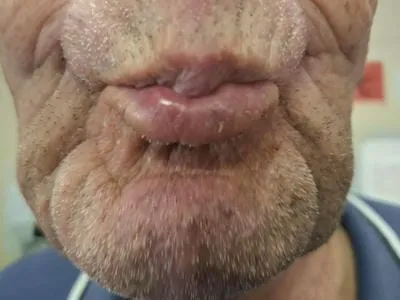
- there are other words for lips as well. This might mean specifically upper lip, as listed by Kuhn.- seems to mean literally mouth skin (dha+barlba).
dhabarra
Literally mouth-hole.- dhabarra may once have had a more specific meaning, such as roof of the mouth (supported by related languages). Related languages include Kaurna, Nukunu, Ngadjuri.
bulyuna
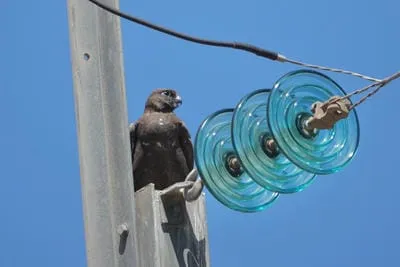
this word appears in the compound bulyunna arri black duck.- bulyuna seems to mean literally black thing.
bundu
Each man owned his own net which was six to eight feet long, 5-6 feet high, and usually of small mesh, suitable for mullet. Joined together, they might form a line many hundreds of feet long.- sometimes bigger nets were made for catching salmon. In fishing three or four nets might be joined together with sticks standing between to support them.- the people dived down to secure the fish.-bundles of grass were sometimes tied on the top of the nets to keep the fish from jumping over, and might help to keep the nets floating. (Egginton/Tindale)
bunggudja
- the verb stem is bunggu. Word endings are added directly onto the stem bunggu-dja.- see community grammar book The fragments of Budderers waddy for details of how to use Nharangga verbs.- the word as shared with related languages also extends this meaning to stab, bite, or kill.